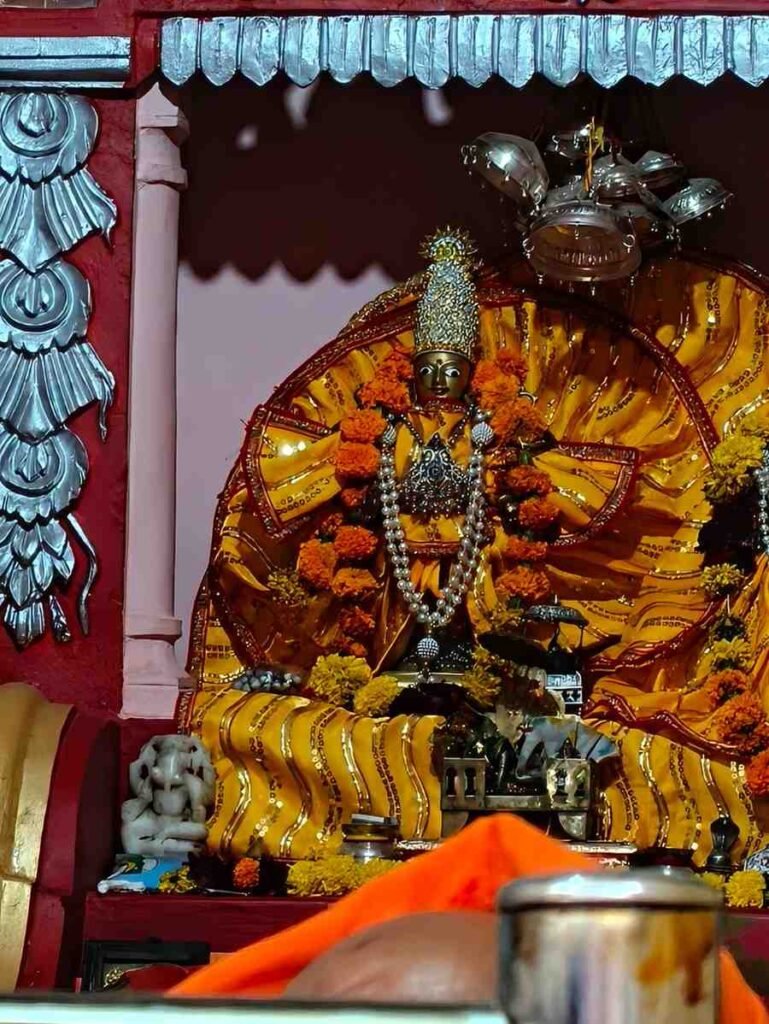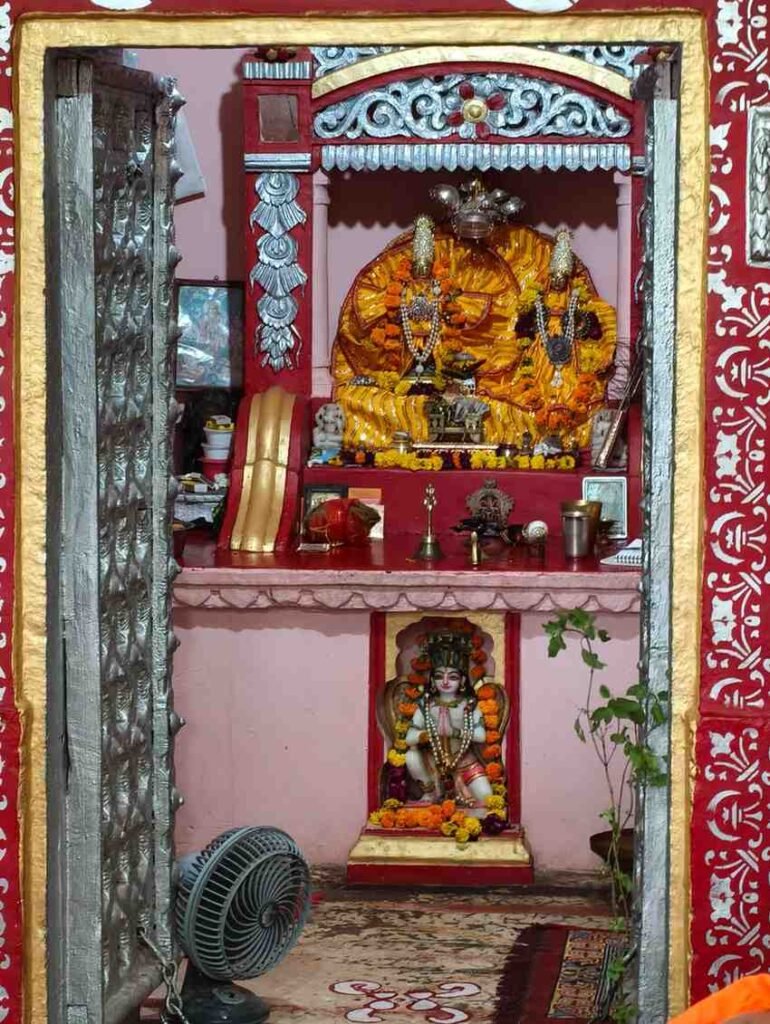
 History & Architecture
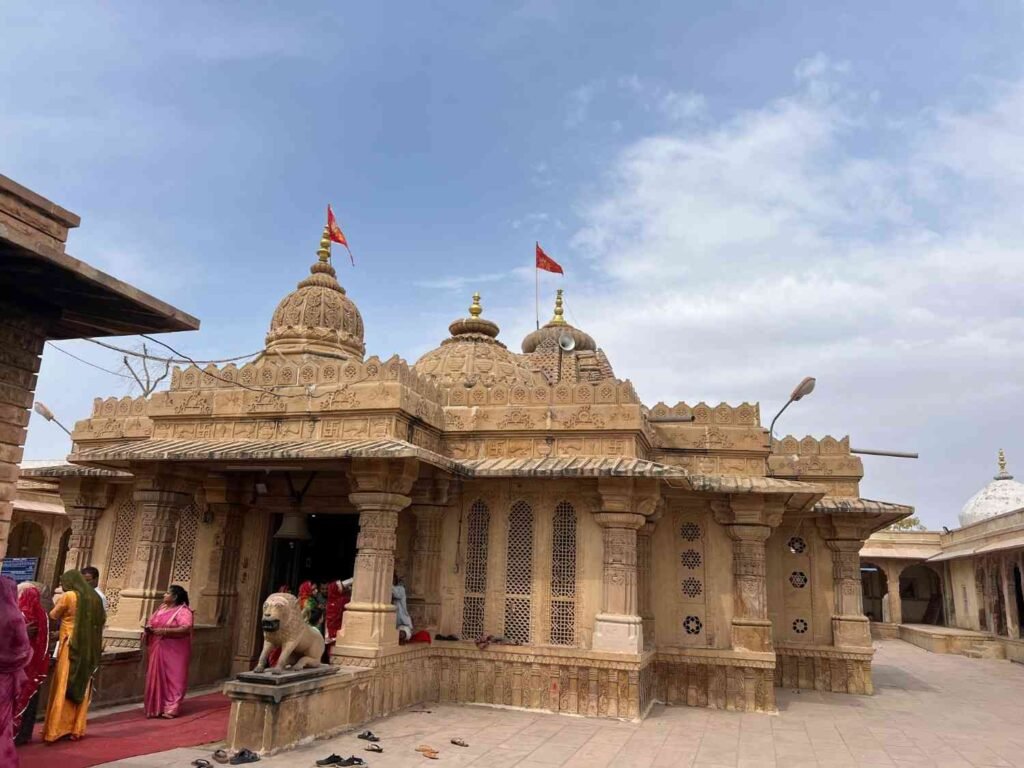
- The temple dates back at least to 608 CE, as confirmed by stone inscriptions Dainik Bhaskar+13Wikipedia+13Dadhimat
i+13. - It’s believed to have been constructed during the Gupta era (4th century CE), with further renovations under the Pratihara king Bhojdev I (c. 836–896 CE) ApniSanskriti – Back to veda+1Wikipedia+1.
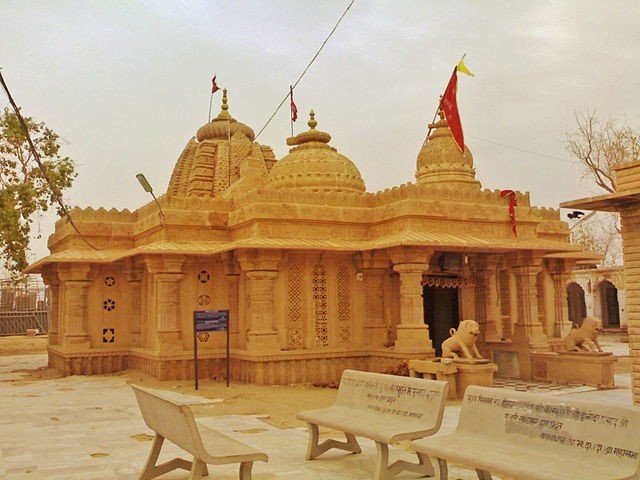
- Built in white stone in the Mahamaru style, facing east, it features exquisite Ramayana scenes engraved by hand on its domes and walls—some reportedly even predating the Kolhapur Mahalaxmi temple Wikipedia+2ApniSanskriti – Back to veda+2Dadhimati+2.
 Divine Significance & Legends
- Goddess Dadhimati, an incarnation of Lakshmi and sister of Sage Dadhichi, emerged from the churning of Dadhisagar to slay the demon Vikatasur on Magh Shukla Ashtami Wikipedia+3Hindu Blog+3ApniSanskriti – Back to veda+3.
- The name “Dadhimati” originates from “Dadhi” (curd), reflecting her emergence from the sacred milk ocean .
- A celebrated marvel of the temple is a mysterious “hanging pillar” that appears suspended in the air, slowly descending—and believed to signal the end of the world when it finally touches the ground Hindu Blog.
- There’s also a lore of shielding bees repelling Aurangzeb’s invading army in Mughal times Wikipedia.
 Cultural Importance
- The temple is the main kuldevi (family deity) for the Dadheech Brahmins, as well as certain Jat and Baniya clans like Dantuslia and Gelda Hindu Blog+4Hindu Blog+4Dadhimati+4.
- It is considered a Shakti Peeth (Kapal Pitha)—where the goddess’s skull is said to have fallen—adding to its sacred status Hindu Blog.
- The inscription also mentions an ancient “Dadhya” community, likely ancestors of the Dadheech clan Wikipedia.
 Festivals & Rituals
- Daily Milk Abhishek: Known as the only temple where the goddess is bathed with mother’s milk every day .
- Biannual Fairs during Navratri in Chaitra (spring) and Ashwin (autumn) uplevel local fairs, attracting thousands ApniSanskriti – Back to veda+2Wikipedia+2Wikipedia+2.
- Navratri rituals include Durga Saptashati recitation by over a thousand devotees, and on Ashtami, a procession from temple to Kapal Kund, followed by a celebratory Rewadī parade .
- Prakatya (Appearance) Festival around February features rituals like Abhishek, yagna, bhog, and large-scale aarti .
 Visiting the Temple
- By Road: Well-connected transport from across Rajasthan.
- By Rail: Nearest major station is Nagaur, linked to Jaipur, Bikaner, Merta, and Phalodi ApniSanskriti – Back to veda.
- By Air: Closest airports are Jodhpur (≈141 km) and Jaipur (≈250 km) ApniSanskriti – Back to veda.
- Facilities include 250 pilgrim rooms, managed by a trust, especially active during festival seasons .
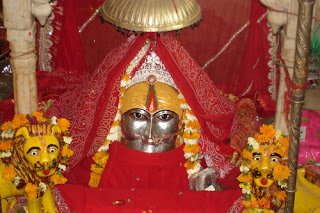
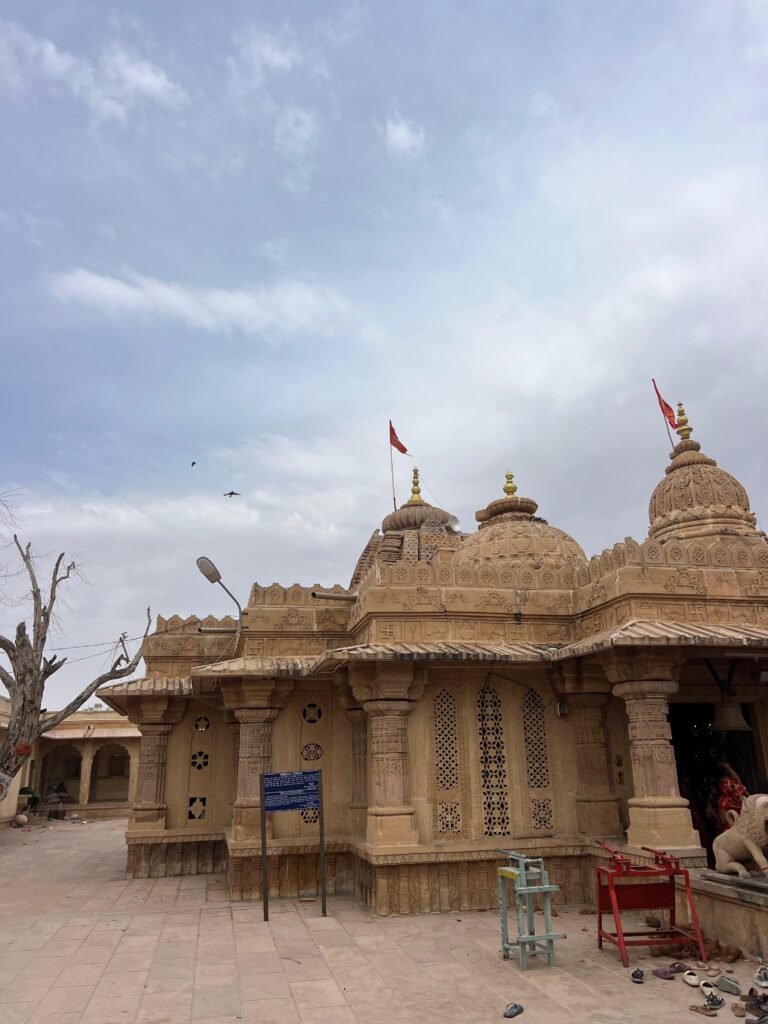
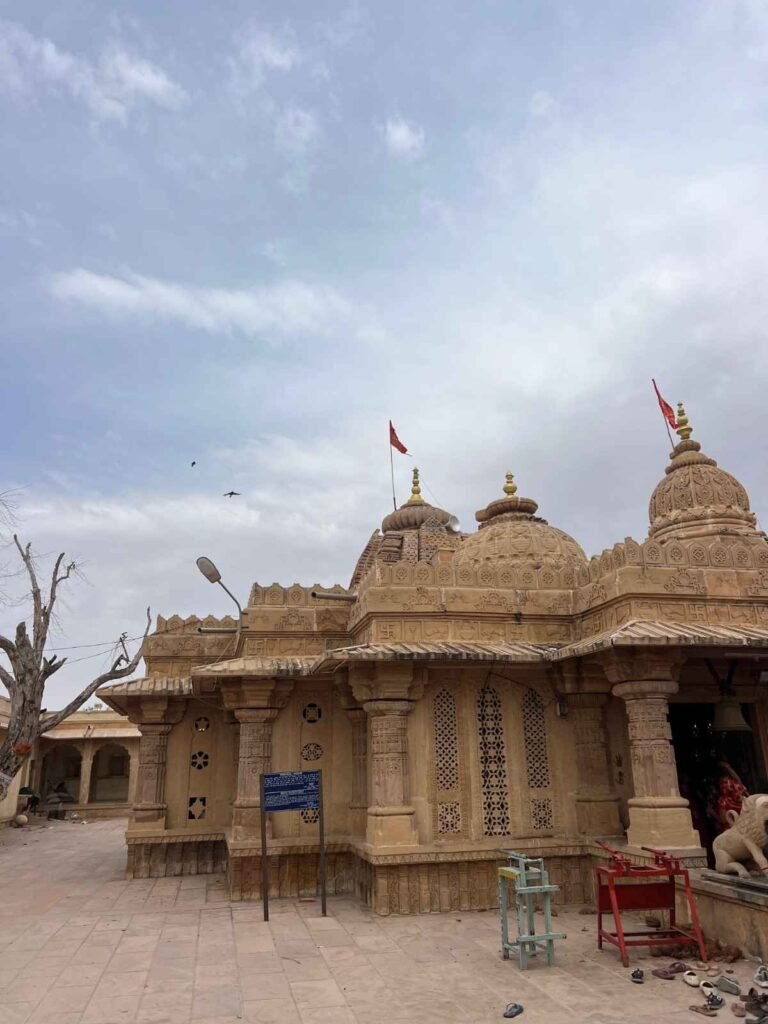
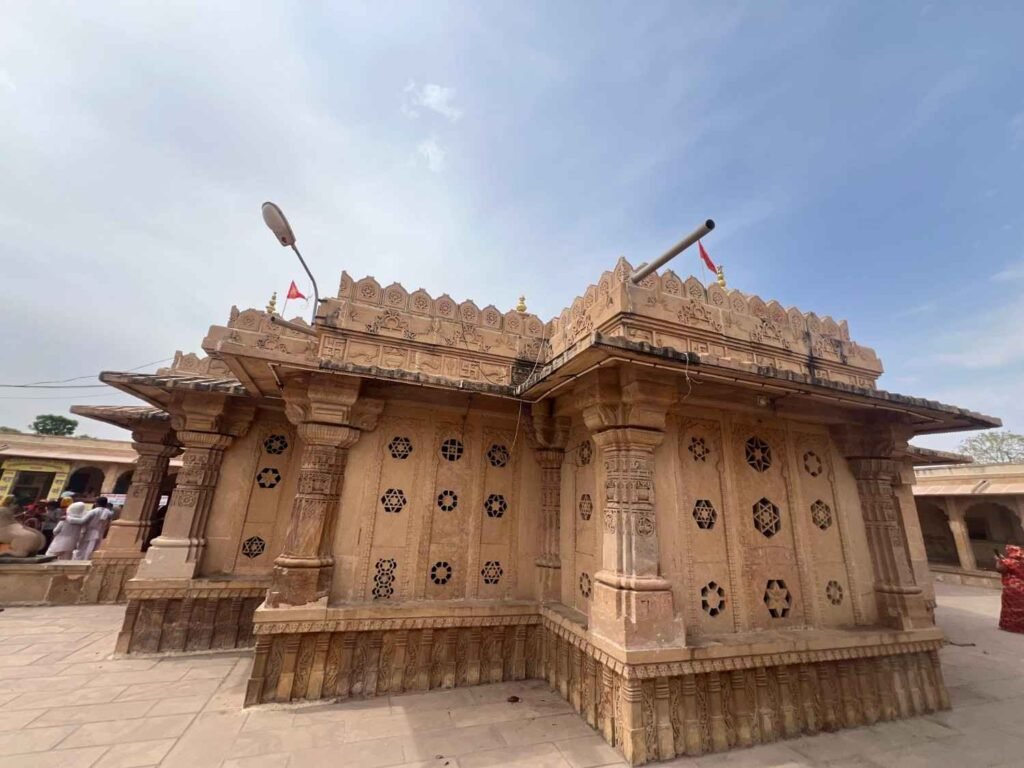
Shree KhaDivine Legend & Origins
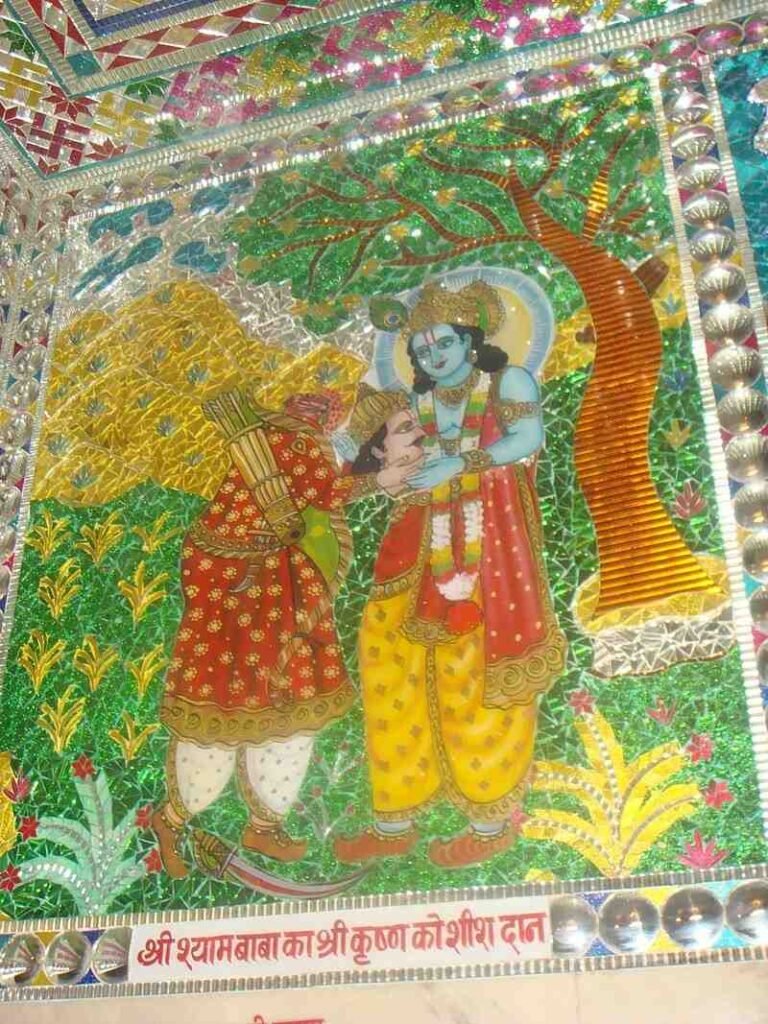
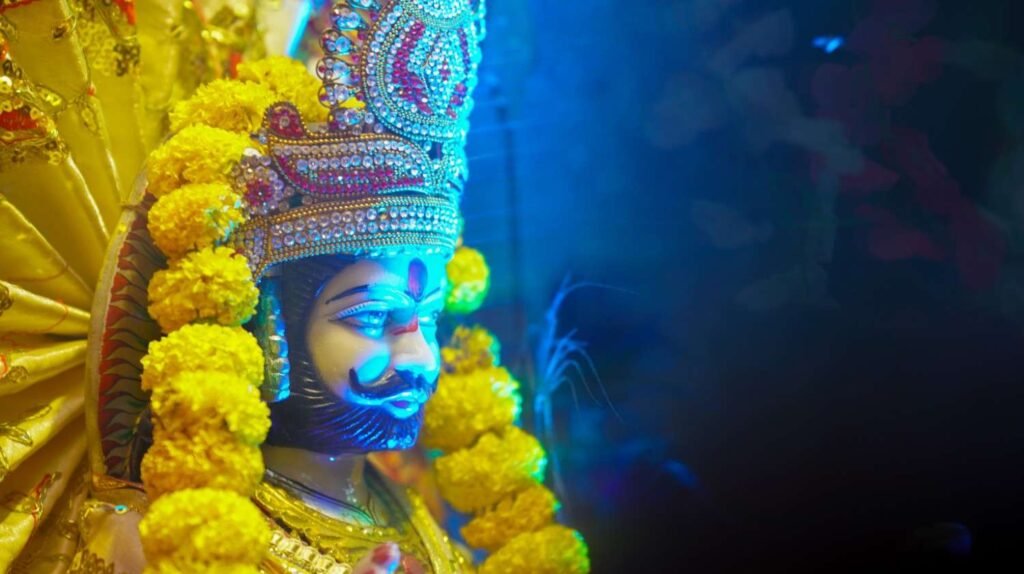
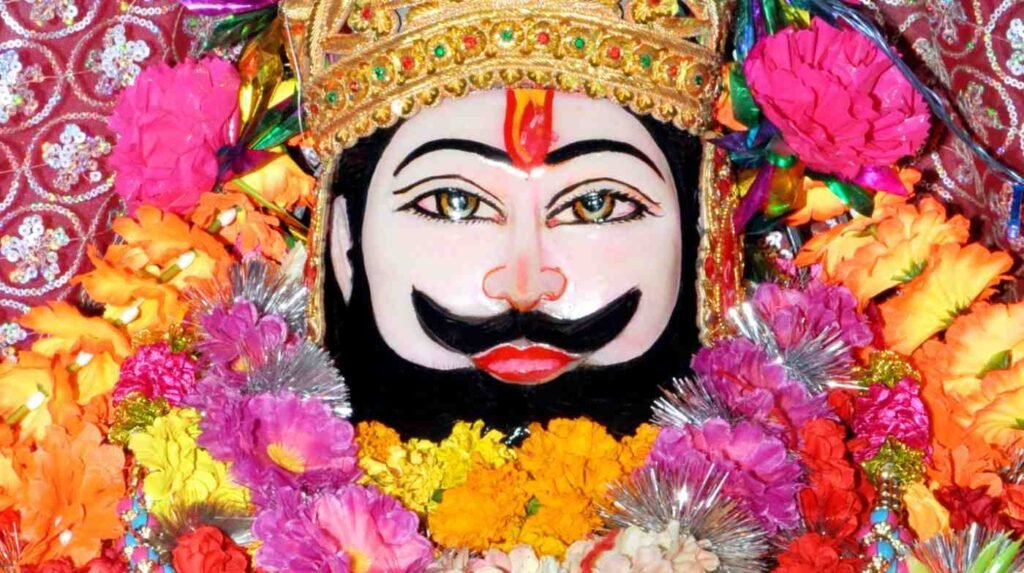
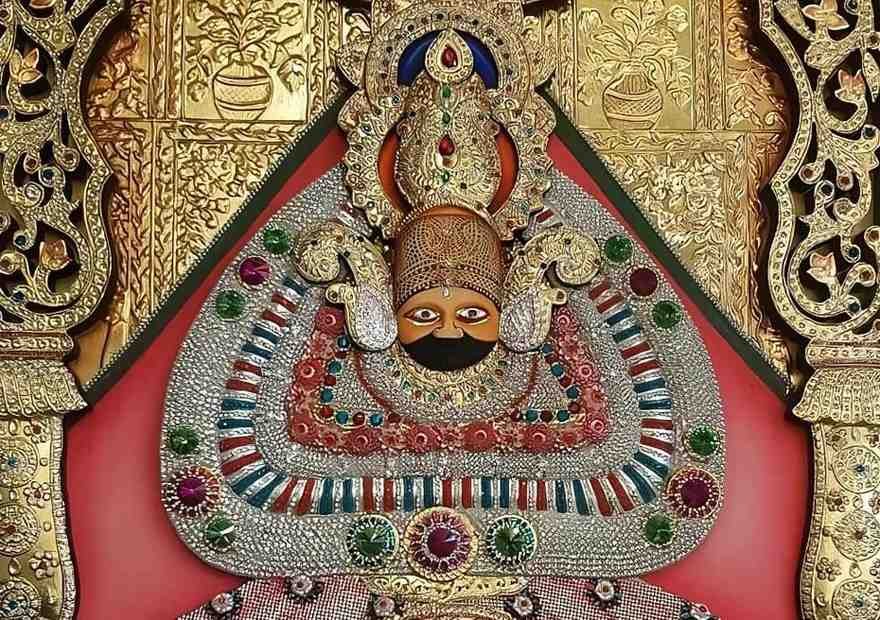
- The temple is dedicated to Barbarika, grandson of Bhima and son of Ghatotkacha, who was blessed by Lord Krishna to be worshipped as Khatu Shyam Ji in the Kali Yuga for his ultimate sacrifice—donating his head before the Mahabharata war AbhiBus+14Wikipedia+14Yappe+14
. - Around 1027 CE, King Roopsingh Chauhan built the temple after a cow miraculously revealed Barbarika’s buried head at the site now known as Shyam Kund Devasthan Rajasthan+2Rajasthan Tourism+2Wikipedia+2.
 Architecture & Sacred Space
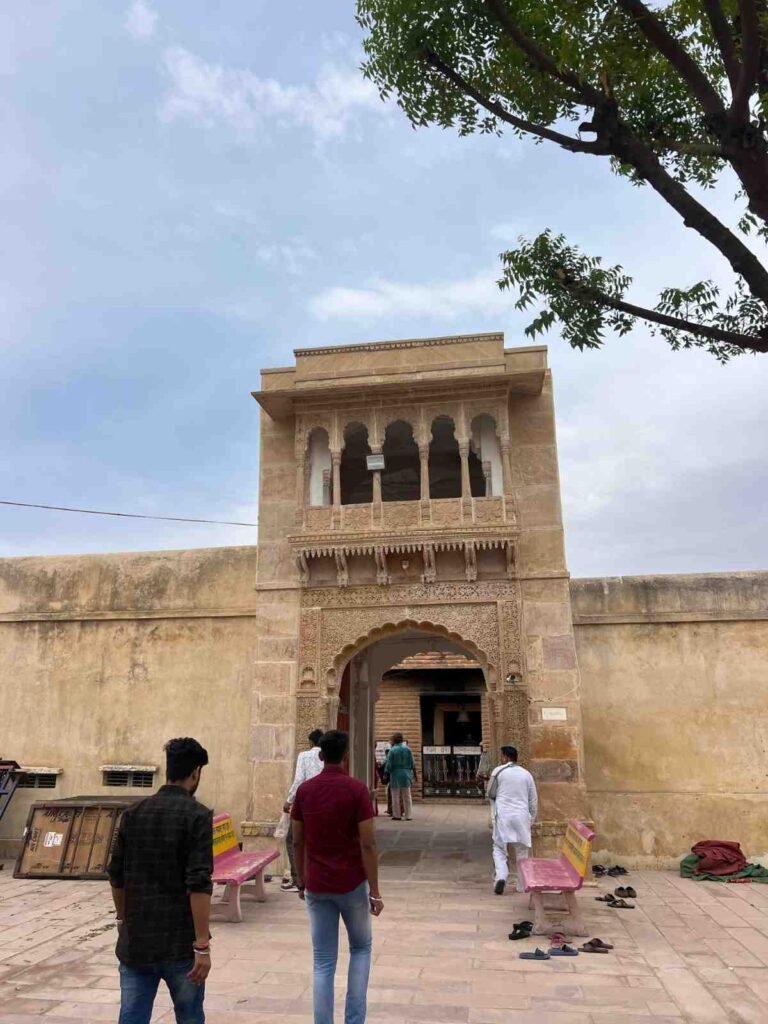
- Crafted from white Makrana marble, the temple features an ornate Jagmohan with mythological murals, marble columns, floral carvings, and silver-plated sanctum shuttering Rajasthan Tourism+1Wikipedia+1.
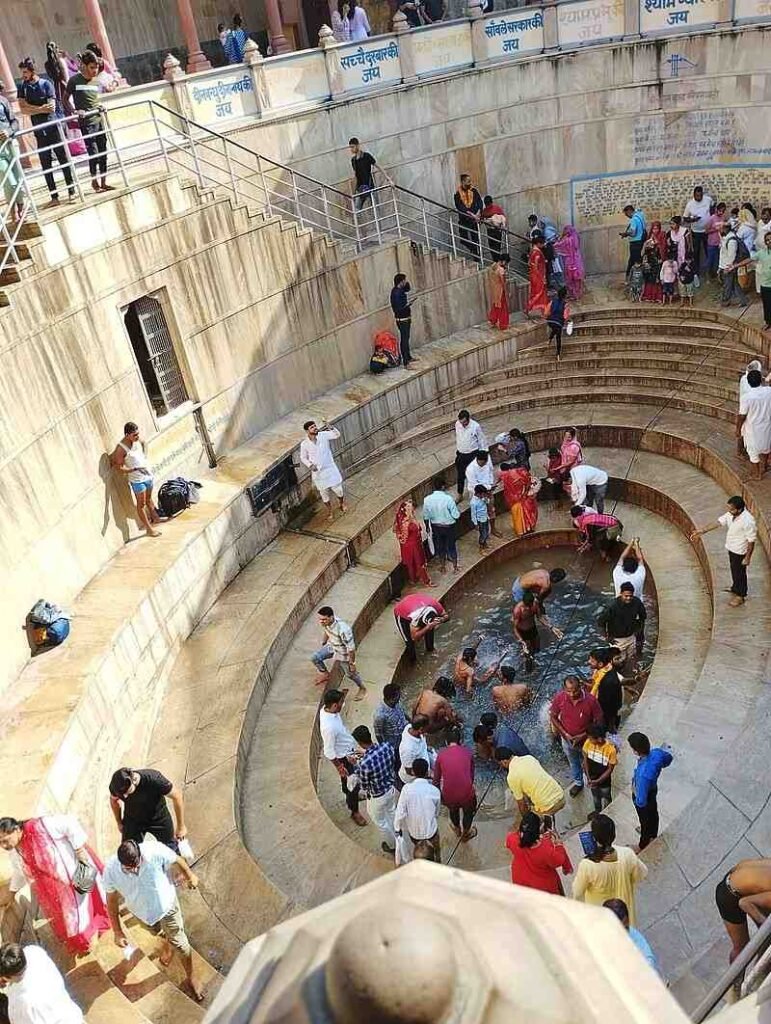
- Adjacent to the shrine is the Shyam Kund, a sacred pond where devotees bathe—especially during the Phalguna Mela—believing in its healing properties In Rajasthan+7Rajasthan Tourism+7Wikipedia+7.
 Temple Timings & Aarti Schedule
- Summer (approx. Apr–Sept): 4:30 AM–12:30 PM & 4:00 PM–10:00 PM
- Winter (Oct–Mar): 5:30 AM–1:00 PM & 5:00 PM–9:00 PM Gujarat Darshan Guide+1Wikipedia+1
- Daily five aartis:
- Mangala (early morning), Shringaar, Bhog (midday), Sandhya, and Sayana (night) Temple Story+4Rajasthan Tourism+4In Rajasthan+4.
Festivals & Rituals
- The Phalguna Mela (Feb–Mar) is the highlight: a 3–4 day fair featuring the Nishaan Yatra, when devotees carry devotional flags from Reengus (~17 km) to Khatu Wikipedia+15Wikipedia+15Temple Story+15.
- Other celebrated occasions include monthly Ekadashis, Janmashtami, Diwali, Guru Purnima, and more Temple Story+1BhaktiBharat.com+1.
Connectivity & Facilities
- By Road: ~80 km from Jaipur via NH‑11; also connected by buses and taxis Yappe+6Temple Story+6Rajasthan Tourism+6.
- By Rail: Nearest is Ringas Junction (~17 km), with onward cabs/jeeps Devasthan Rajasthan+4Rajasthan Tourism+4Temple Story+4. Khatu station is right beside the temple, ~0.08 km The Temple Guru+6Yappe+6BusinessInJaipur+
6. - By Air: Jaipur International Airport (~80 km) is the closest Temple Wiki+2Rajasthan Tourism+2Yatradham Temple+2.
- Amenities: Simple but adequate—multiple dharamshalas, organized crowd management (including glass partition, VIP queues, online booking), plenty of space for devotees the india explorer+10Devasthan Rajasthan+10In Rajasthan+10.
Visiting Tips
- Best Time: October–March for comfortable weather and festival vibrance Yatradham Temple.
- Must‑do: Attend any of the 5 daily aartis—Mangala and Sayana are especially soulful Gujarat Darshan Guide+1Rajasthan Tourism+1.
- Shyam Kund bath: Particularly auspicious during Phalguna Mela—and considered by some to enhance health Tourism Rajasthan+5Rajasthan Tourism+5Wikipedia+5.
- Crowd awareness: Weekends and festivals are very crowded; early morning visits reduce wait times. The temple now has 14 darshan queues, with ~4 min per devotee In Rajasthan+1Yappe+1.
 Summary
Shree Khatu Shyam Ji Mandir is a captivating mix of mythic devotion, striking architecture, and deeply rich traditions. It offers a powerful spiritual journey—especially during Phalguna Mela with its Nishaan Yatra—while being very accessible from Jaipur and Delhi.
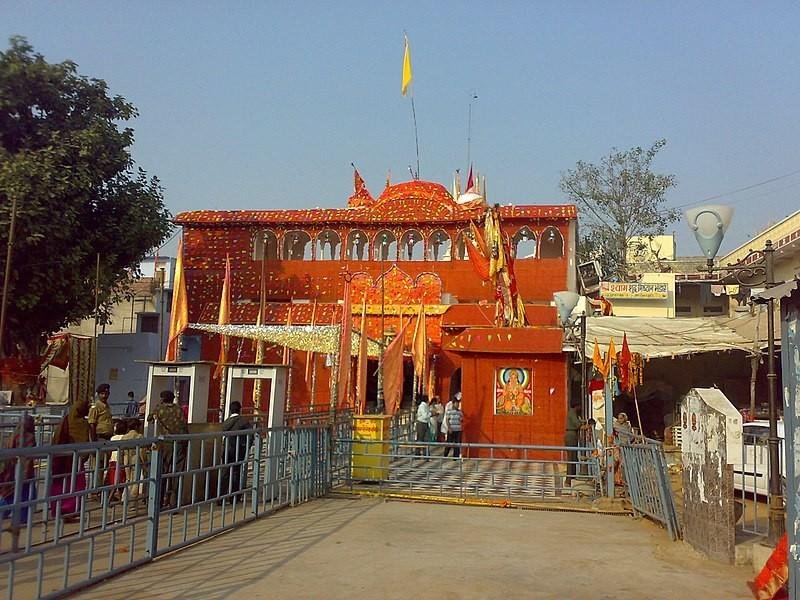
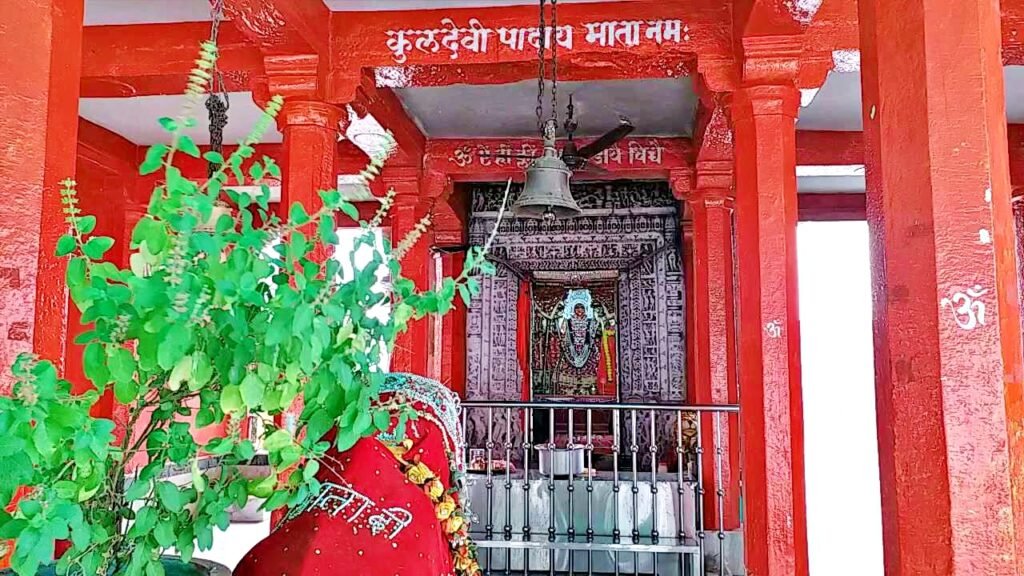
Padhay Mata Mandir – located near Didwana in Nagaur district, Rajasthan – is a revered Shakti shrine with deep cultural roots and fascinating origins.
History & Origin
- The temple was established in Vikram Samvat 902 (946 CE) by a local Seth known as Bhainsa Seth near Marwar Baliya station, just ~2 km from the salt lake region of Didwana Kuldevi Gods+1Kuldevi Gods+1.
- It was initially called Fata‑Mata (“Fata” meaning ‘torn/open’), commemorating the divine appearance when a girl (the goddess) emerged from a khejri tree and drank a cow’s milk. Over time, the name evolved into “Padhay Mata” Mappls.
- Local legend describes the divine blessing of a salt lake at the site, rather than silver, following the goddess’s guidance to the benefactor .
 Temple & Deity
- Padhay Mata is venerated as the Kuldevi (family deity) of 8 communities and 127 gotras Dainik Bhaskar+12Rajasthanone+12Kulde
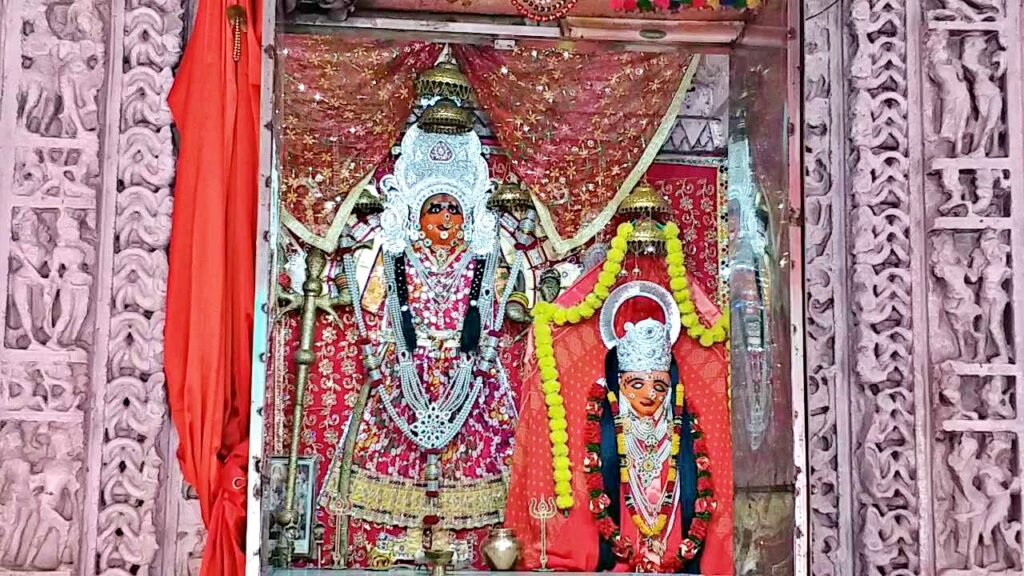
vi Gods+12. - Within the shrine are two forms of the goddess: one as a youthful maiden and another as Mahishasuramardini, alongside a statue of Bhairavnath .
 Significance & Conservation
- The temple sits amid the salt plains of Didwana, offering a serene spiritual environment. Devotees often perform poojas, mundan ceremonies, and wish rituals here Mappls+4Top Rated Online+4ProMallu+4.
- In 2008, Rajasthan’s Archaeological Department designated it a protected monument, though environmental damage to the structure continues due to salt-laden air .
- A significant annual fair occurs near Chaitra Shukla Chaturdashi, with bhajan evenings and free community meals Wikipedia.
 Current Renovation
- The temple — over 1,200 years old — is undergoing a major restoration, with a ₹2 crore project recently initiated. The foundation ceremony (Bhoomi pujan) was held on a Purnima date, overseen by local trust members including Mumbai-based donors Dainik Bhaskar.
Visit: Practical Details
| Detail | Information |
|---|---|
| Location | Kot Mohalla, Didwana, Nagaur district, Rajasthan |
| Access | ~12 km from Didwana; nearest rail: Marwar Baliya (~2 km) Top Rated Online+10Kuldevi Gods+10Dainik Bhaskar+10 |
| Timings | Daily ~06:30 AM–08:00 PM |
| Contact | +91 99506 04975 (Google listing) |
Devotees find deep peace in the temple’s tranquil salt-lake surroundings noted for its natural stillness and spiritual aura cgtourism.in+5Top Rated Online+5ProMallu+5.
 Why Visit?
- A calm, centuries-old shrine connected to local folklore and community identity.
- Ideal for performing family rites, post-festival visits, or a peaceful spiritual retreat.
- Witness first-hand the ongoing renovation aimed at preserving this cultural heritage.
Deities & Beliefs
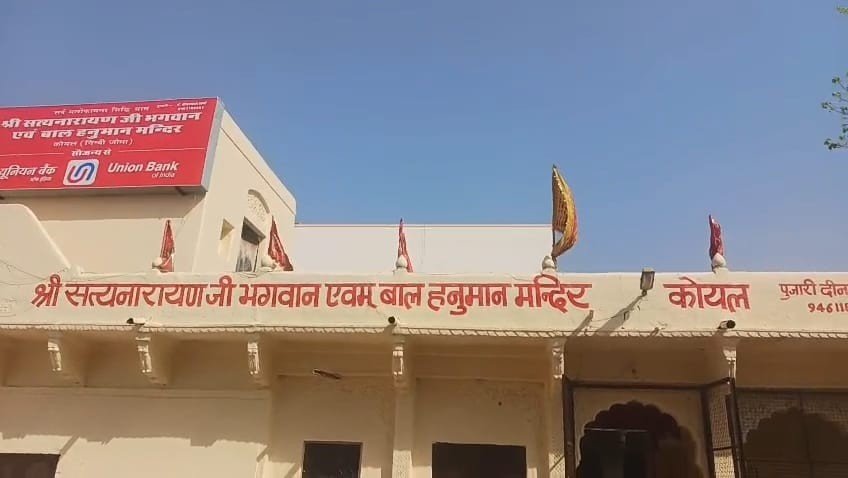
- The shrine primarily honors Lord Satyanarayan (a form of Lord Vishnu), alongside a cherished Bal Hanuman statue, believed to amplify spiritual energy and protection .
- Devotees hold that Hanuman Ji helps alleviate planetary malefic effects (like Mars and Saturn), bringing relief from depression, financial woes, and negative energies Outdoorkeeda.
 Miracles & Spiritual Experience
- Stories shared by locals speak of crystal-clear reflections of Hanuman Ji in glass and mystical feelings during prayers Outdoorkeeda+1Outdoorkeeda+1.
- Many believe visiting the temple—especially during Hanuman Jayanti or full-moon Satyanarayan pujas—has helped resolve financial losses, mental stress, and family issues Outdoorkeeda+1Outdoorkeeda+1.
 Festivals & Rituals
- Hanuman Jayanti (Chaitra Purnima, 12 April 2025): Devotees gather for Hanuman Chalisa, Sunderkand, hymns, and bhajans Outdoorkeeda+1Outdoorkeeda+1.
- Satyanarayan Puja occurs monthly on full-moon nights, featuring Katha, Havan, and distribution of panchamrit, halwa, and laddoos Outdoorkeeda+1Outdoorkeeda+1.
- Tuesdays and Saturdays are especially vibrant for Hanuman worship, with Chalisa recitations and offerings drawing many devotees .
Architecture & Ambience
- A modest yet spiritually vibrant temple complex: it contains the Sanctum Sanctorum for Satyanarayan and a statue of Bal Hanuman, along with a small courtyard for communal worship and readings Outdoorkeeda+1Outdoorkeeda+1.
- Adorned with rangoli, flowers, and lights during festivals, its simple rural charm adds to a deeply devotional atmosphere Outdoorkeeda+1Outdoorkeeda+1.
Surroundings & Culture
- Koyal village features a blend of Rathore Rajput, Shekhawat, and Brahmin communities grounded in agriculture—giving the temple a rich cultural tapestry Temples of India+4Outdoorkeeda+4Outdoorke
eda+4. - Nearby attractions include Tal Chhapar Sanctuary (~33 km) and Kuchaman Fort (~71 km), excellent options for combining pilgrimage with sightseeing Outdoorkeeda+1Outdoorkeeda+1.
 Visiting Tips
- Visit in the morning or evening to participate in puja and aarti rituals.
- Best time: Hanuman Jayanti or full-moon Satyanarayan puja, when the temple comes alive with music, lights, and offerings.
- Engage with locals to hear captivating stories and miracles linked to the temple.
- Dress modestly and be respectful during rituals; participating in a Havan or offering prasad creates a fulfilling spiritual experience.
Quick Travel Info
| Mode | Details |
|---|---|
| Road |
Via Ladnun–Nimbi Jodha |
 Rail Rail |
Ladnun station (13–18 km) |
 Air Air |
Jaipur airport (184 km) |
 Pin code Pin code |
341316 |
Final Thoughts
This temple beautifully merges Satyanarayan’s blessings for prosperity and Hanuman’s protective energy. The combination of tranquil rural charm, active rituals, and deeply heartfelt devotion makes it a spiritually enriching stop.